On June 28, 2018, the Indian rupee plunged to an all-time low of 69.10 against the US dollar amid growing concerns over tightening of global financial conditions and higher crude oil prices coupled with the worsening of domestic macroeconomic variables especially the current account balance and inflation.
The mad rush for dollar by importers and currency speculators was halted temporarily after the central bank, Reserve Bank of India, aggressively intervened in the currency markets by selling dollars in both spot…
On May 4, the Banco Central de la Republica Argentina, the country’s central bank, raised policy interest rates to a whopping 40 percent to stem the rapid depreciation of the national currency, the peso. The surprise rate increase was the third in a week after the central bank failed to halt the decline in the peso by spending $4.3 billion of foreign exchange reserves in just one week. In addition, the Argentine authorities reduced fiscal deficit target and announced…
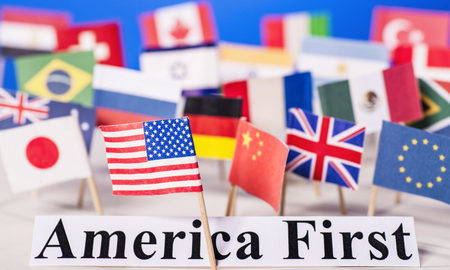
There is no clear picture emerging with respect to trade relations amongst countries. But it is much clearer that countries like USA that pushed ‘free trade’ are now having second thoughts about how open they want their economies to be. While protectionism is re-emerging stronger than before, new free trade agreements (FTAs) continue to be in the making.
There have been developments in the first quarter of 2018 both in Asia and Africa, which are important to recap here. Some…
US President Donald Trump has finally taken the steps that he was threatening to right from his campaign days, namely, to block imports to trigger revival of the American manufacturing sector. He implemented the extra-ordinary decision to impose import tariffs of 25% and 10% on steel and aluminium, by invoking the provisions of Section 232 of the Trade Expansion Act of 1962. This provision allows the Administration to take measures to protect domestic industries for “national defense” and “national…
By Kavaljit Singh | Briefing Paper # 22 | February 2018
After making sufficient progress on the terms of the UK’s exit from the European Union, negotiations will now move on the thorny issue of forging a future UK-EU trade and investment relationship. The negotiations on the future relationship will resume once the EU leaders adopt guidelines at an EU summit to be held in Brussels during March 22-23, 2018. For the UK, the second phase of Brexit negotiations will be much more difficult than the phase one agreement concluded…