For over two decades, India has acquired the reputation of being the ‘pharmacy of the world’ as its strong generic pharmaceutical industry has supplied affordable medicines to the global markets. Exports of medicines from India, which were around a billion dollars at the turn of the century, had increased to over $20 billion in 2019-20.
Indian companies had made critical interventions during the HIV/AIDS pandemic by supplying affordable antiretroviral medicines to African countries when the major pharmaceutical producers had demanded…
By Kavaljit Singh | Briefing Paper # 44 | January 28, 2021
It is widely anticipated that a new development finance institution would be announced by India’s Finance Minister, Nirmala Sitharaman, as part of her budget proposals to be presented on February 1, 2021. The Union Budget 2021 offers the central government an extraordinary opportunity to address India’s economic and financial challenges amidst the economic slump triggered by the COVID-19 pandemic.
The upcoming budget has the potential to lay down a roadmap for a people-centered recovery by providing immediate relief measures to…
By Shalini Bhutani | Commentary | December 18, 2020
On December 16, 2020, the Union Cabinet Committee on Economic Affairs (CCEA) approved a subsidy of Rs.35 billion to sugar mills for the export of 60 lakh tonnes of sugar during the October 2020-September 2021 season. In 2018 and 2019, the Government of India had approved the sugar export incentive before October 1, but this year the approval was delayed. Sugar mills will now export their surplus sugar stock. This is supposed to help sugar mills clear…
On November 15, 2020, 15 East Asian countries agreed to take their economic integration several notches higher by forging the Regional Comprehensive Economic Partnership (RCEP), the largest free trade agreement (FTA) ever. In 2019, RCEP members accounted for about 30 percent of world output and population and 28 percent of world trade. But about 44 percent of their total trade was intra-RCEP, which is a major incentive for the members of this agreement to agree to the deal, for…
By Kavaljit Singh | Briefing Paper # 43 | November 30, 2020
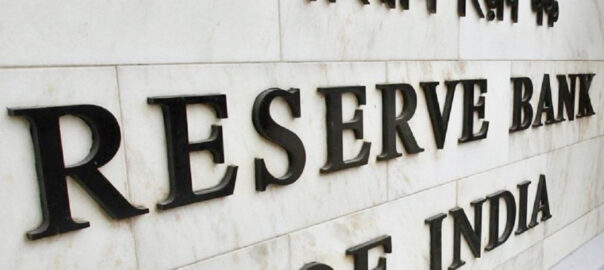
On November 20, the Reserve Bank of India released the Report the Internal Working Group (IWG) that reviewed the existing licensing and regulatory guidelines relating to ownership, control, and corporate structure of private sector banks in India. The working group’s most significant but contentious recommendation is to allow large corporate and industrial houses to promote and run banks in India. “Large corporate/industrial houses may be permitted to promote banks only after necessary amendments to the Banking Regulations Act, 1949”